
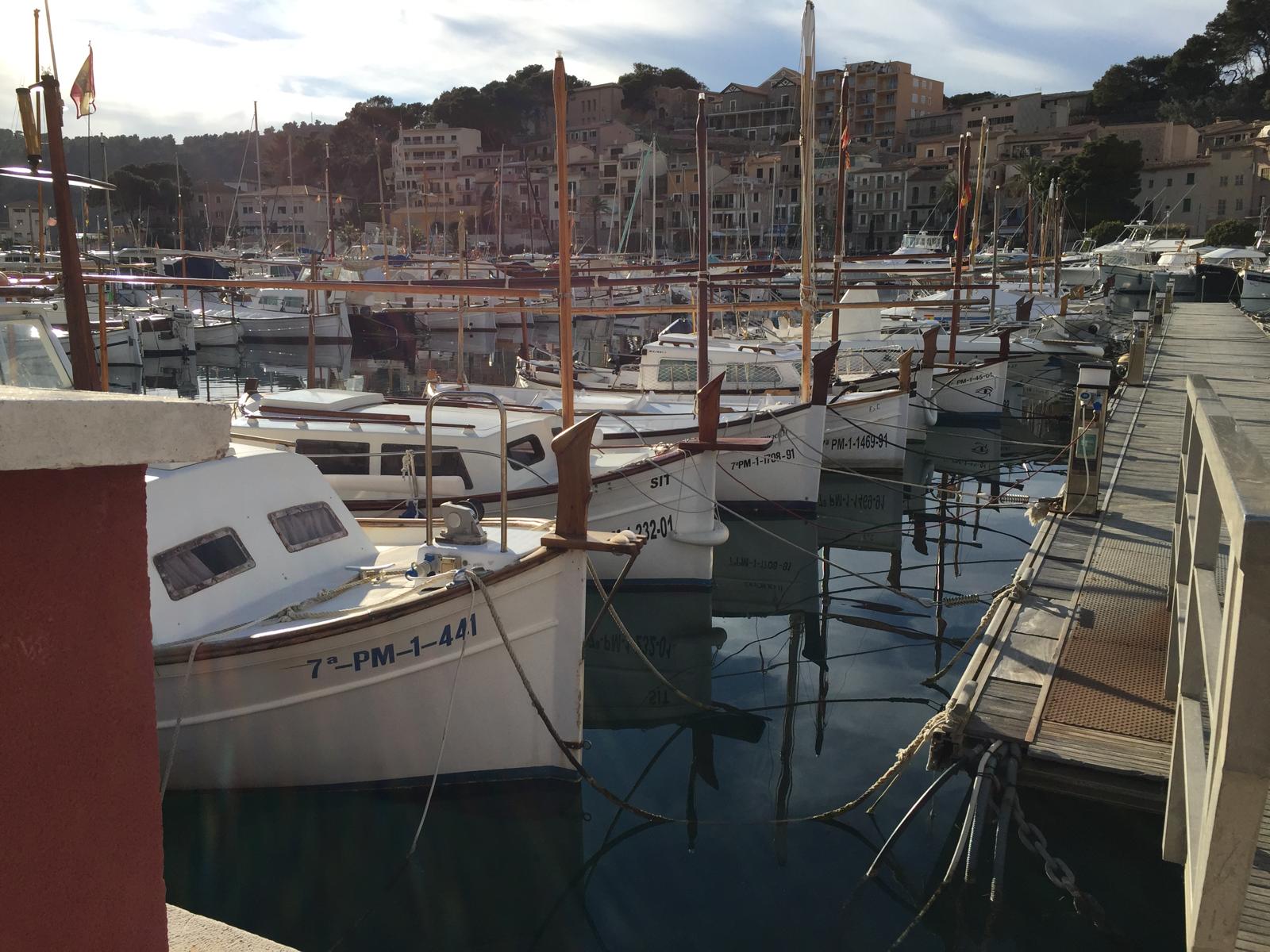
LA ADJUDICACIÓN DIRECTA DE LAS CONCESIONES PORTUARIAS A LOS CLUBES NÁUTICOS.(LEY DE PUERTOS DE LAS ISLAS BALEARES)

Mediante la Ley 3/2026, de 27 de mayo, de modificación de la Ley 10/2005, de 21 de junio, de puertos de las Islas Baleares, vigente desde el 31 de mayo de 2026, el legislador balear ha llevado a cabo una reforma significativa del régimen jurídico aplicable a los puertos de su competencia autonómica.

Desde la perspectiva de los clubes náuticos, una de las novedades de mayor trascendencia es la incorporación de una HABILITACIÓN LEGAL QUE PERMITE ACUDIR AL PROCEDIMIENTO De ADJUDICACIÓN DIRECTA DE DETERMINADAS CONCESIONES PORTUARIAS, en aquellos supuestos en que concurran las circunstancias previstas por la ley.

La norma prevé dos vías específicas que permiten acudir a este procedimiento:

a) Clubes náuticos o entidades deportivas sin ánimo de lucro con declaración de utilidad pública

La primera vía opera cuando la solicitud es formulada por un club náutico u otra entidad deportiva sin ánimo de lucro que disponga de la correspondiente declaración de utilidad pública.

En este supuesto, el legislador reconoce la especial función social, deportiva y formativa desarrollada por estas entidades, circunstancia que justifica la posibilidad de acceder a una concesión sin necesidad de un procedimiento competitivo.

b) Reserva de al menos el 80% de los amarres para embarcaciones de hasta 15 metros de eslora.

La segunda vía permite la adjudicación directa cuando las condiciones de la concesión establecen que, como mínimo, el 80% de los amarres disponibles se destinen a embarcaciones de eslora igual o inferior a 15 metros.

Esta previsión responde a la voluntad del legislador de favorecer la náutica social y recreativa, facilitando el acceso a los amarres a las embarcaciones de menor dimensión que constituyen la base principal de la navegación deportiva y de recreo en las Islas Baleares.

Desde una perspectiva jurídica, el punto más relevante de la nueva regulación es que la norma establece que «podrá acudirse en la adjudicación directa», y no que la concesión «se adjudicará directamente».

Esta diferencia terminológica es esencial. La disposición no configura un derecho subjetivo de los clubes náuticos a obtener una concesión por adjudicación directa, sino que atribuye a la Administración portuaria una facultad legal para emplear este procedimiento cuando concurran los requisitos previstos por la ley.

Por lo tanto, los clubes náuticos pueden solicitar la aplicación de este régimen excepcional y la norma habilita expresamente la Administración para que pueda tramitar la concesión sin necesidad de convocar un concurso público. Sin embargo, la decisión administrativa tendrá que estar debidamente motivada y respetar en todo caso los principios generales que rigen la gestión del dominio público, así como el interés público portuario.

La voluntad del legislador resulta clara: reforzar la presencia de los clubes náuticos dentro del sistema portuario de las Islas Baleares y facilitar la continuidad de su actividad mediante mecanismos que permitan la obtención o renovación de concesiones por la vía de la adjudicación directa. Esta voluntad es especialmente evidente cuando se trata de entidades sin ánimo de lucro que desarrollan una función social y deportiva acreditada o cuando la concesión está orientada mayoritariamente a dar servicio a embarcaciones de pequeña y media eslora.

La reforma incorpora varias medidas de interés, entre las cuales destacan:

•        La regulación del procedimiento de competencia de proyectos con un tratamiento específico para las entidades deportivas sin ánimo de lucro.

•        Los requisitos reforzados para las prórrogas concesionales, con especial relevancia del plan deportivo.

•        La previsión de reservas de espacios portuarios para entidades náuticas deportivas sin ánimo de lucro.

•        El reconocimiento explícito, a la exposición de motivos, de la función social, deportiva y formativa de los clubes náuticos dentro del sistema portuario balear.
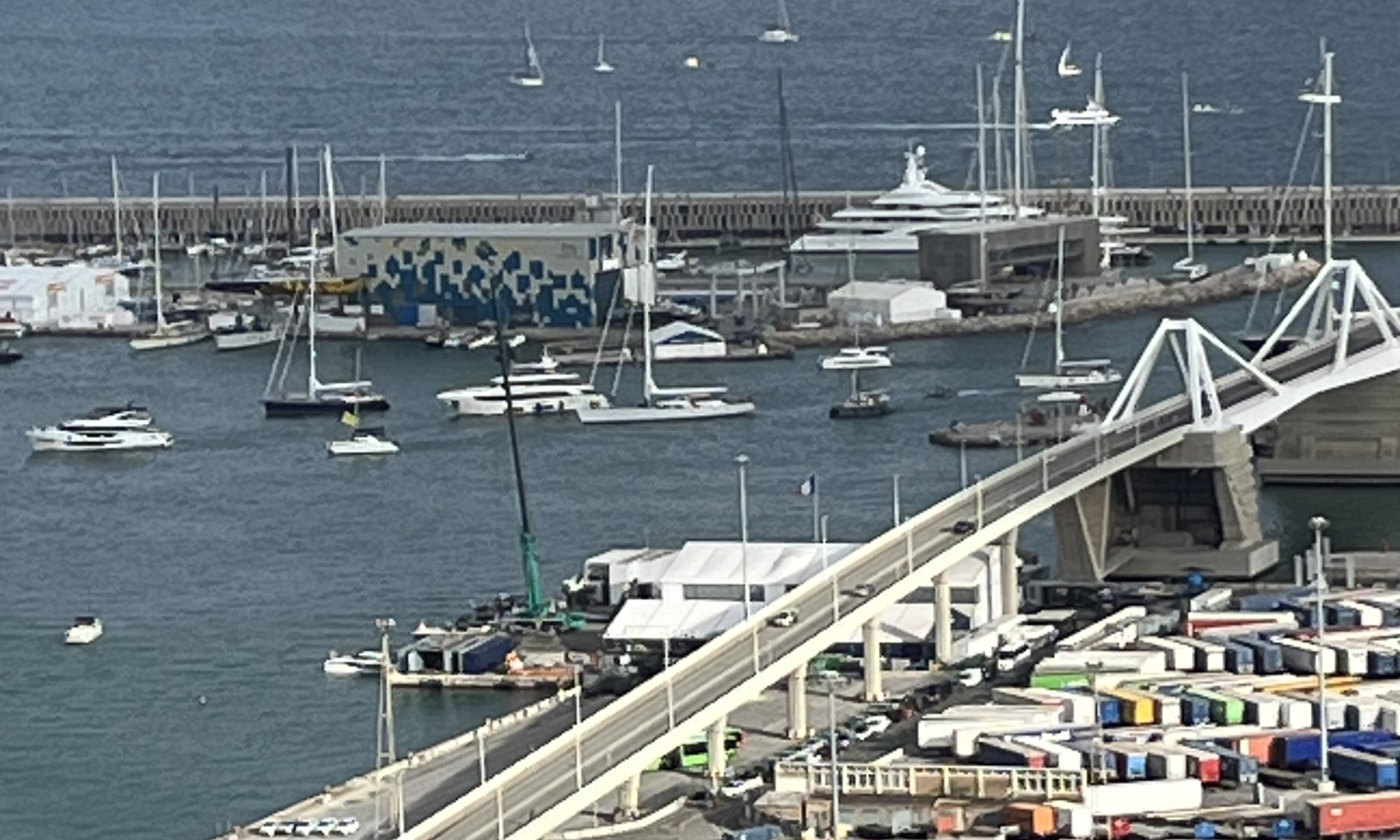
Qué implicaciones legales tienen las decisiones judiciales sobre la prórroga de concesiones portuarias.

puerto de barcelona prórrogas concesiones

Las decisiones judiciales sobre la prórroga o ampliación de concesiones portuarias conocidas hasta 2026 tienen implicaciones legales en caso de anulación de denegaciones administrativas y clarificación de la naturaleza de las potestades administrativas ejercidas por las Autoridades Portuarias.

Declaración del Derecho a la Ampliación por Cumplimiento de Requisitos: Un acto presunto de denegación de la solicitud de ampliación puede ser declarado no conforme a Derecho y anulado. Si el concesionario cumple todos los requisitos y condiciones establecidos en la Disposición Transitoria Décima del TRLPEMM (como los plazos, la documentación y los compromisos de inversión), se declara el derecho del solicitante a que la Autoridad Portuaria le otorgue la ampliación del plazo de las concesiones. El otorgamiento de la ampliación bajo esta disposición se considera un acto reglado, o si fuese discrecional, debe estar motivado, siendo un acto presunto, por definición, inmotivado.

 Obligación de la Administración de Resolver sobre el Fondo: Cuando la Autoridad Portuaria inadmite o archiva una solicitud de prórroga, el tribunal puede anular dicha resolución y obligar a la AP a ejercer la potestad discrecional que le atribuye la ley (Art. 82 TRLPEMM). Aunque la prórroga es una potestad discrecional, la AP debe justificar el ejercicio de esa potestad, motivando si se cumplen los elementos reglados asociados, como el nivel mínimo de inversión o el carácter estratégico de la concesión.

Distinción entre Potestad Regladas y Discrecionales: Las sentencias diferencian la naturaleza de la potestad según el fundamento legal: ◦ La decisión sobre prórrogas (Art. 82 TRLPEMM) generalmente se enmarca en el ejercicio de una potestad discrecional ligada a la apreciación del interés portuario. ◦ La ampliación del plazo de concesiones regulada en la Disposición Transitoria Décima del TRLPEMM se considera conectada a una necesidad detectada por el legislador y sujeta a una regulación detenida y prácticamente agotadora de requisitos.

Requisitos de Informes Preceptivos: Las decisiones judiciales interpretan los procedimientos administrativos necesarios. La jurisprudencia ha precisado que el informe de Puertos del Estado solo es ineludible y debe ser favorable cuando la Autoridad Portuaria decida ampliar el plazo de la concesión, pero no es preceptivo si decide inadmitir o desestimar la solicitud de ampliación.

Reconocimiento del Derecho a la Prórroga por Novación del Título: En casos donde un contrato de gestión de servicio público ha sido transformado legalmente en una autorización de actividad, y se solicita la ampliación al amparo de la Disposición Transitoria Décima del TRLPEMM, la anulación de la denegación implica que el concesionario accedió a la ampliación concesional.

Estos son los criterios que podemos deducir de «tribunales menores», y hemos de esperar las resoluciones del Tribunal Supremo para que se pronuncien sobre estos temas.

Which is the process of purchase of Real Estate in Spain?

The process of buying and selling real estate in Spain typically involves two essential elements: the property being sold and the price to be paid for it.

Once an agreement is reached between the seller and buyer, it is necessary to verify if the seller has the capacity to sell, if they are the rightful owner of the property, or if they require authorization from a third party.

Next, the property being sold needs to be evaluated to ensure it meets the indicated characteristics in terms of urban planning, habitability, energy efficiency, outstanding community charges or unpaid taxes, as well as ensuring there are no encumbrances such as mortgages or liens.

On the part of the buyer, it is important to determine how the price will be paid and where the funds for the purchase will come from, whether it is for personal use, within the context of a marital regime, or on behalf of a company.

The real estate transaction must be formalized through a document that proves its execution, typically a public deed that must be registered in the Property Registry and in the Land Registry (Catastro). It should also be communicated to the municipality in order to pay the municipal capital gains tax (plusvalía) and future property tax (IBI) payments.

By following all these steps, the real estate buying process in Spain can be highly secure.

Avance Legislativo para la Náutica: Desayuno con la DGMM en el Salón de Barcelona 2025

Juame PRats Legal PArtrico en el encutro ANEN y DGMM

Un encuentro clave para el sector náutico ha tenido lugar en el marco del Salón Náutico Internacional de Barcelona. Ana Núñez Velasco, Directora General de la Marina Mercante (DGMM), compartió una sesión reservada con los asociados de ANEN (Asociación Nacional de Empresas Náuticas) para abordar el desarrollo normativo y las mejoras legislativas que impactan directamente en la actividad.

La DGMM centró su intervención en el impulso y la clarificación de las normativas que rigen la náutica de recreo y profesional, reconociendo la necesidad de adaptar el marco legal a las realidades y desafíos actuales del sector.

  • Simplificación y Modernización: Se enfatizó el compromiso de la DGMM con la simplificación de trámites y la modernización de la legislación para fomentar la competitividad y facilitar la actividad empresarial y deportiva en España.
  • Formación Marítima: La formación y titulación náutica fue un tema central, buscando mejorar y actualizar los requisitos para garantizar la seguridad y la profesionalización del sector.
  • Colaboración Público-Privada: Se destacó la importancia del diálogo constante con asociaciones como ANEN para que las futuras regulaciones se elaboren con el conocimiento directo de las necesidades de la industria.

La DGMM subraya la voluntad de la administración de trabajar con la industria para impulsar el crecimiento sostenible de la náutica en España. Las mejoras legislativas son fundamentales para:

Aumentar la atracción de inversión en el sector.

Garantizar la seguridad marítima y ambiental.

Facilitar la operativa de las empresas náuticas.

#Náutica #MarinaMercante #ANEN #SalónNáuticoBarcelona #LegislaciónMarítima #DesarrolloSostenible

The Essential Role of a Real Estate Lawyer

When buying property in Spain, the notary’s presence is mandatory for signing the deed—but their role is strictly impartial. They simply certify the documents.
Your lawyer, however, is your dedicated legal advocate, working exclusively to protect your interests.

Hiring a specialized real estate lawyer is not optional—it’s critical for these reasons:

Comprehensive Legal Due Diligence

Your lawyer performs a full legal audit of the property, going far beyond a superficial check to ensure:

  • Free of Encumbrances: Confirms the property is free of liens, hidden mortgages, easements, or restrictions that could compromise your ownership rights.
  • Urban Planning Compliance: Verifies compliance with Barcelona’s urban planning regulations and checks for any pending issues with the City Council (e.g., undeclared renovations).
  • Documentary Legality: Reviews the validity of the Occupancy Certificate, Energy Certificate, and confirms the seller’s ownership title is correct.

Protection Through the Arras Contract

The arras contract is the most crucial document before the deed—it sets the terms of your purchase.

  • Your lawyer negotiates, drafts, or reviews this contract, ensuring clauses protect you against risks (e.g., mortgage delays or unexpected charges).
  • They guarantee penalties for non-compliance—such as the seller returning double the deposit—are clearly stipulated.

Expert Tax and Cost Guidance

Catalonia’s property taxes (ITP, AJD) have unique rules and possible deductions.

  • Your lawyer ensures correct tax settlement, avoiding costly mistakes that could lead to fines or surcharges.
  • They help you understand and optimize the transaction’s cost structure.

Mortgage Process Support

If financing is involved, your lawyer reviews the FEIN (European Standard Information Sheet) and mortgage terms to detect abusive clauses, in line with Spain’s Real Estate Credit Law (LCCI).

A lawyer is not an expense—it’s an investment in peace of mind, minimizing financial and legal risks so you can sign your deed with total confidence.

What is the “habitation certificate” (in Spanish: cédula de habitabilidad)?

The habitation certificate is an administrative certificate that attests that a dwelling meets the habitability conditions necessary for it to be suitable for the use and residence of individuals.

Obtaining the habitation certificate implies that the dwelling meets the minimum technical requirements for habitability, but it does not imply the legalization of the construction with regard to its suitability for use as a dwelling or compliance with urban planning regulations.

All dwellings are required to have a habitation certificate and comply with minimum requirements.

The habitation certificate is valid for 25 years for newly constructed dwellings. However, for second-hand dwellings and for newly rehabilitated dwellings, its validity is reduced to 15 years. This document is essential for contracting water, electricity, gas, and telecommunications services.

The habitation certificate includes the following information:

  • Identification details of the dwelling (address and location).
  • The usable area of the dwelling and its rooms.
  • The rooms and spaces that constitute the dwelling.
  • The maximum occupancy standards (i.e., the maximum number of people who can reside in the dwelling).
  • Identification and professional credentials of the technical person certifying the habitability.

Energy efficiency certificate

Every property owner or lessor is obligated to provide buyers or users of buildings with an energy efficiency certificate that must include objective information about the energy efficiency of a building.

The energy efficiency certificate of the building or of a part of it shall contain, at a minimum, the following information:

a) Identification of the certified building or part thereof, including its cadastral reference.

b) Indication of the recognized procedure used to obtain the energy efficiency rating.

c) Indication of the applicable regulations on energy saving and efficiency at the time of construction.

d) Description of the energy characteristics of the building: thermal envelope, heating and lighting installations, normal operating and occupancy conditions, thermal and lighting comfort conditions, indoor air quality, and other data used to obtain the energy efficiency rating of the building.

e) Energy efficiency rating of the building expressed through an energy label.

f) For existing buildings, a document containing recommendations for improving the optimal or cost-effective levels of energy efficiency of a building or part thereof, unless there is no reasonable potential for such improvement compared to the current energy efficiency requirements.

Every property transaction must include the energy efficiency certificate.

The technical inspection report

The technical inspection report, indicates whether the building or dwelling is suitable.

The certificate of fitness can have the following results:

  • Fit: If the building does not present deficiencies or only presents minor deficiencies.
  • Provisionally Fit: If the building presents deficiencies classified as significant.
  • Temporarily Fit: If the building presents deficiencies classified as severe or very severe, but these have been temporarily resolved through precautionary measures already implemented.
  • Alternatively, it may be issued as a denial of fitness if the building presents deficiencies classified as severe or very severe without any precautionary measures implemented.

The validity of the certificate of fitness varies depending on the presence or absence of deficiencies in the dwelling or building:

  • If the building does not have deficiencies or only minor deficiencies, the certificate is valid for 10 years.
  • If the building has significant deficiencies, the certificate is valid for 6 years with biennial reviews.
  • If the building has severe or very severe deficiencies, but temporary measures have been implemented to reduce the risk, the certificate is valid for 3 years with inspections every 12 months to verify that the implemented measures in the building are being maintained.

How to cancel a mortgage

The purchase of a property often requires significant financing, which is typically obtained through a bank loan secured by a mortgage that is registered in the Property Registry.

A mortgage serves as a guarantee for the fulfillment of an obligation, usually the payment of a debt. Therefore, it is essential, when conducting a property transaction, to ensure that any existing mortgages are either canceled or will be canceled.

In the event that the mortgages cannot be canceled in time, it is necessary to demand a «certificate of zero balance» or for the buyer to withhold a portion of the price. The certificate of zero balance is a crucial document because the mortgage cannot be canceled without it.

The mortgage cancellation must be recorded in the Property Registry. If it is done at the same time as the property purchase, a representative of the bank must appear before a notary to sign the mortgage cancellation deed along with the payment of the corresponding portion of the price.

It is possible for a single property to have multiple mortgages, liens, and charges, which are prioritized for collection based on their registration dates in the Property Registry.

Furthermore, the issue of who should bear the costs of cancellation should be addressed.

La Náutica Social y la Protección Jurídica de los Clubes Náuticos: Un Imperativo para el Futuro

El 6º Simposio de Clubes Náuticos, celebrado en Sanxenxo en octubre de 2025 y organizado por FEACNA, ha puesto sobre la mesa una cuestión crucial: la toma de conciencia sobre la labor social que desempeñan los clubes náuticos y las consecuencias que puede acarrear la falta de protección normativa para su continuidad. Este encuentro,  abordó temas como la sostenibilidad, la descarbonización, la modernización de la gestión portuaria y la promoción del deporte base.

La Náutica Social: Un Derecho Universal

La denominada “náutica social” no es un concepto meramente recreativo, sino una herramienta de integración y acceso universal al mar. Según Javier Ruiz de Cortázar, presidente de FEACNA, la administración pública debe reconocer que la náutica social “es para todos, con carácter global”, y garantizar que esta filosofía impregne las relaciones con las instituciones que aplican la legislación marítima vigente.

Marco Normativo Actual

La actividad de los clubes náuticos se desarrolla en un marco jurídico complejo, donde confluyen varias normas:

  • Ley 14/2014, de Navegación Marítima, que regula la seguridad, la protección ambiental y el uso del mar territorial, armonizando el derecho interno con los convenios internacionales.
  • Texto Refundido de la Ley de Puertos del Estado y de la Marina Mercante (RDL 2/2011), que establece el régimen concesional para instalaciones en dominio público marítimo-terrestre.
  • Ley de Costas, que condiciona la ocupación del litoral y cuya interpretación restrictiva ha generado incertidumbre en la renovación de concesiones para clubes náuticos, pese a su carácter social y deportivo.
  • A ello se suman normativas autonómicas que, en ocasiones, penalizan el modelo asociativo frente a sociedades mercantiles, creando una asimetría jurídica que amenaza la continuidad de entidades sin ánimo de lucro.

Retos y Propuestas

El simposio concluyó con varias líneas de acción prioritarias:

  1. Reconocimiento legal expreso de la función social de los clubes náuticos, incorporando criterios de interés general en los pliegos concesionales.
  2. Homogeneización normativa para evitar desigualdades entre comunidades autónomas.
  3. Impulso a la sostenibilidad y descarbonización: la electrificación de puertos deportivos y la implantación de energías renovables son ya compromisos asumidos por el sector, con planes que prevén reducir un 30% las emisiones de CO₂ a medio plazo.

La continuidad de los clubes náuticos no es solo una cuestión empresarial, sino un asunto de interés público vinculado al deporte, la cultura marítima y la sostenibilidad. La falta de protección jurídica puede poner en riesgo un modelo que genera empleo, cohesión social y contribuye a la economía azul. Es momento de que las administraciones y el legislador actúen para consolidar un marco normativo que garantice la náutica social como derecho universal.